
Investment funds across the Middle East are prepared to channel tens of billions of dollars into President Trump’s US-led “Board of Peace” initiative focused on Gaza’s reconstruction — but only once stronger and lasting security guarantees are in place, according to sources familiar with the discussions.
Funds in Jordan, Kuwait, Qatar, Saudi Arabia and the United Arab Emirates have expressed support for the initiative, insiders say. However, major investors are holding back until violence in Gaza subsides permanently and the security environment stabilises.
“I would not invest without a guarantee,” a billionaire investor close to President Trump told The Post, underscoring concerns about deploying large-scale capital in an active conflict zone.
Regional Powerhouses Weigh In
Among the key backers is Saudi Arabia’s sovereign wealth vehicle, the Public Investment Fund, which reportedly supports the concept behind the Board of Peace. Sources who have conducted business with the region’s powerhouse funds say enthusiasm exists — but so does caution.
The situation in Gaza has been compared to Ukraine, where asset management giant BlackRock has struggled to accelerate investment as the war continues. Investors fear similar challenges if security conditions remain volatile.
Any capital injection from regional sovereign funds would come on top of pledges announced Thursday by Qatar and the UAE, which committed $1 billion and $1.2 billion respectively toward reconstruction efforts. President Trump said the United States itself is investing $10 billion into the initiative and claimed that donors have already pledged a total of $5 billion, though the identities behind those pledges were not disclosed.
Washington Meeting and Global Participation
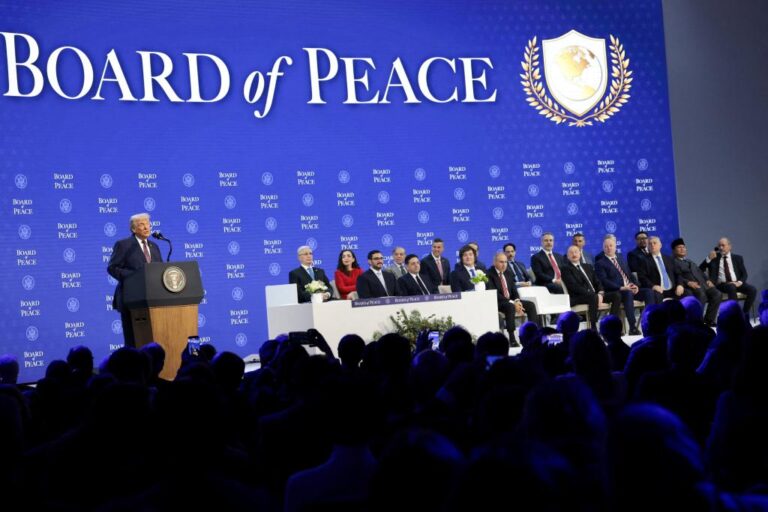
The Board of Peace convened in Washington, DC, this week, following earlier remarks by President Trump at the World Economic Forum in Davos, Switzerland, where he outlined the board’s ambitions.
About two dozen nations have formally signed onto the controversial initiative, which Trump has positioned as an alternative mechanism to challenge the influence of the United Nations in conflict mediation and post-war reconstruction.
The first official board meeting is set to take place Thursday in Washington, bringing together representatives from more than 40 countries, including Argentina’s President Javier Milei.
However, several key US allies — including the United Kingdom, France and Canada — have declined to participate, citing concerns that the initiative could undermine established UN-led processes. Meanwhile, Germany, Italy, Norway and Switzerland have not formally joined but are expected to send observers.
JPMorgan in Talks as Potential Banker
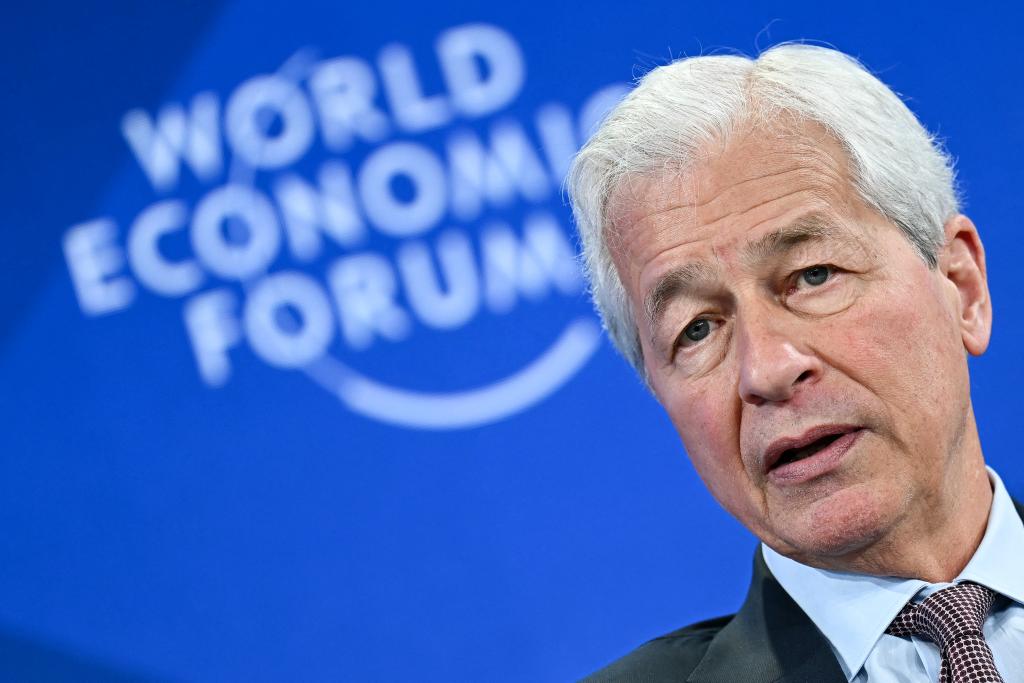
Financial infrastructure for the Board of Peace is still being finalised. JPMorgan Chase is reportedly in discussions to serve as the entity’s banker, exploring how it might process incoming and outgoing payments and manage broader financial operations, according to the Financial Times.
A spokesperson for JPMorgan declined to comment. The White House also did not issue an official statement, though a senior administration official said: “We are exploring all options with financial institutions that can help us get assistance to Gaza as effectively and efficiently as possible. We have nothing further to announce at this time.”
The discussions come amid strained relations between the Trump Organization and JPMorgan. Trump’s company has filed a $5 billion lawsuit against the bank and its CEO, Jamie Dimon, alleging it was “debanked” in what it describes as a politically motivated crackdown on conservatives.
High-Profile Board Members
Established last year, the Board of Peace was initially created to oversee Gaza’s recovery following prolonged conflict. Its mandate has since expanded, with ambitions to address broader global disputes, though details regarding aid distribution mechanisms in Gaza remain limited.
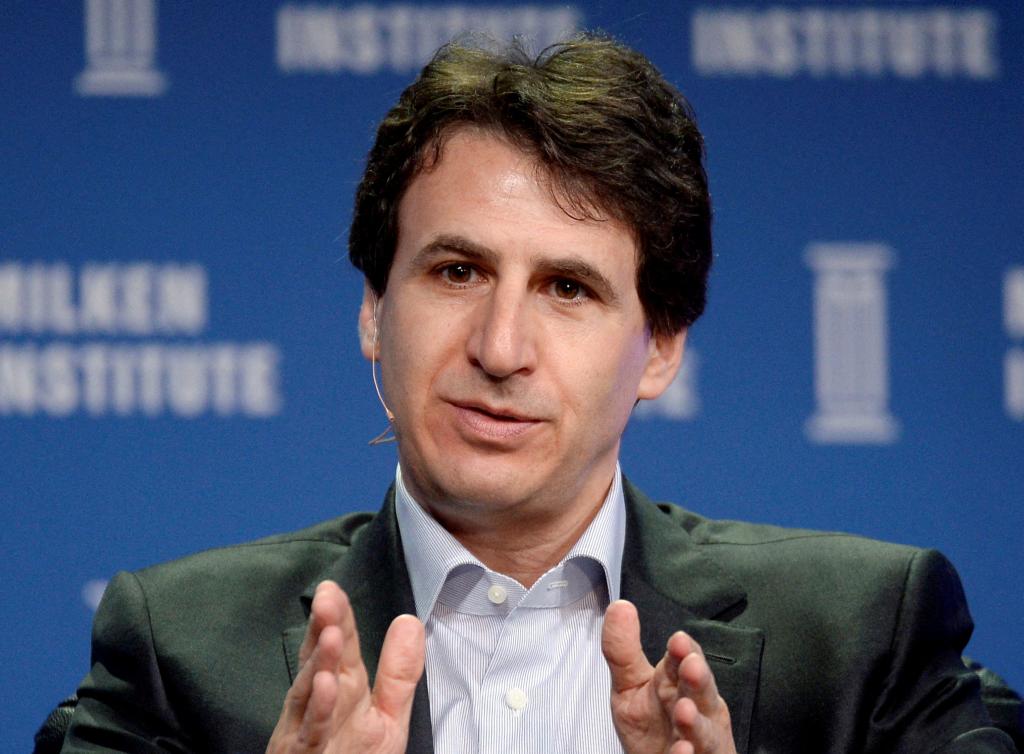
The board includes prominent figures such as Apollo Global Management CEO Marc Rowan, US special envoy Steve Witkoff, Jared Kushner, US Secretary of State Marco Rubio and former UK Prime Minister Tony Blair. Witkoff and Kushner are also being advised by former KKR executive Josh Greenbaum.
Supporters of the initiative argue that it offers a fresh approach to stalled peace efforts, providing a new financial and diplomatic vehicle for reconstruction. Critics, however, question its structure and potential overlap with existing international frameworks.
Billions Waiting on Stability
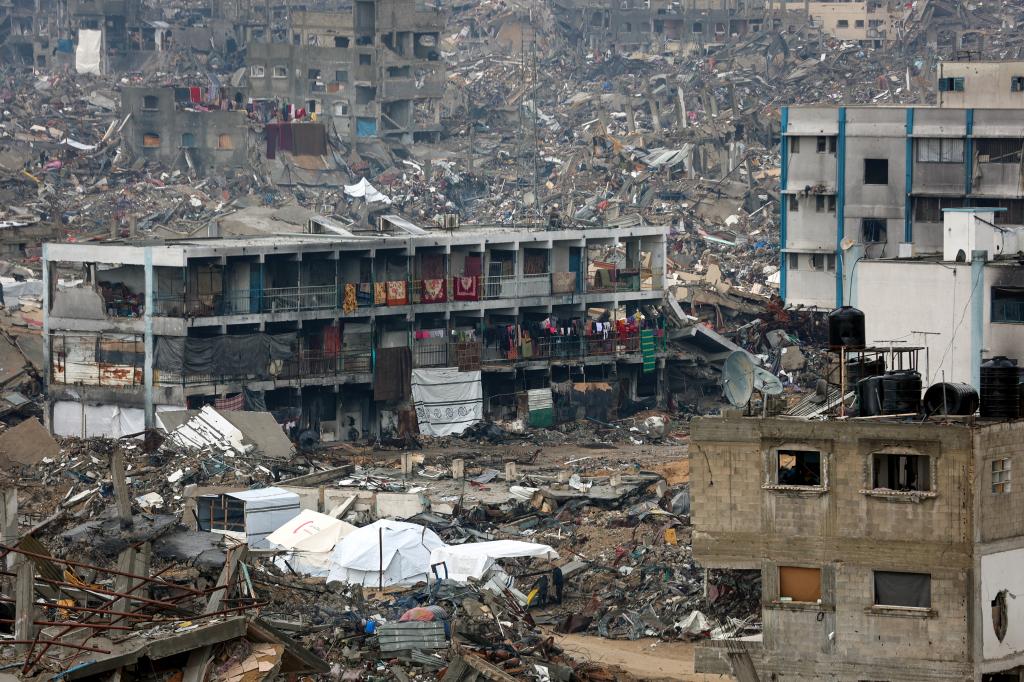
For now, the decisive factor remains security on the ground in Gaza. Middle Eastern sovereign funds, known for their long-term strategic investments, are signalling readiness to deploy substantial capital — but only once there is confidence that reconstruction can proceed without renewed conflict.
Until then, tens of billions of dollars remain poised on the sidelines, awaiting the one condition regional investors say is essential: lasting peace.