

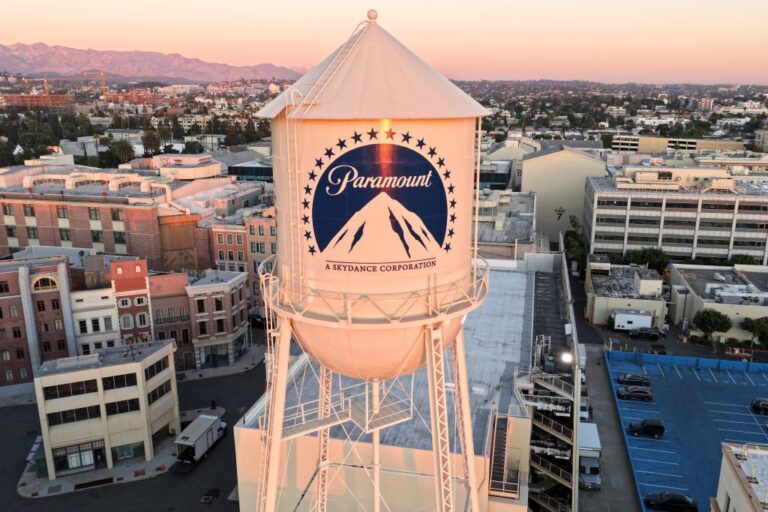
Paramount Global said Friday that the U.S. antitrust waiting period for its proposed $78 billion all-cash acquisition of Warner Bros. Discovery expired on Thursday, marking a significant procedural milestone in its effort to acquire the owner of HBO Max.
The expiration of the 10-day waiting period under the Hart-Scott-Rodino Act means there is “no statutory impediment in the U.S. to closing Paramount’s proposed acquisition of WBD,” the company stated. However, the regulatory process is far from over.
DOJ Review Continues
While the waiting period has lapsed, the United States Department of Justice retains the authority to continue investigating the deal. The DOJ can request additional information, conduct further analysis and even file a lawsuit to block the transaction before it closes.
A precedent looms large. In 2023, the DOJ moved to block the proposed merger between JetBlue and Spirit Airlines months after the waiting period had expired, underscoring that procedural milestones do not guarantee approval.
The scale of the proposed Paramount–Warner Bros. Discovery transaction — valued at $78 billion — ensures it will receive intense scrutiny from competition authorities concerned about consolidation in the media and streaming sectors.
No Definitive Agreement Yet
Complicating matters further, Paramount does not yet have a definitive agreement in place with Warner Bros. Discovery.
WBD has signed a separate deal with Netflix, which has offered $27.75 per share, valuing the studios and streaming assets at approximately $73 billion.
The competing bid sets the stage for a high-stakes battle over one of the most storied media libraries in the world.
David Hyman, Netflix’s chief legal officer, sharply criticized Paramount’s position.
“Paramount Skydance continues to mislead stockholders and distract from the facts,” Hyman said. “They have not secured approvals needed to close and they are a long way from doing so.”
Regulatory Scrutiny on Both Fronts
The Netflix agreement, if pursued, would also face rigorous review from U.S. and European competition authorities. Regulators are expected to examine whether combining Netflix’s dominant global streaming platform with Warner Bros. Discovery’s century-old studio assets could reduce competition, limit consumer choice, or concentrate too much power in a single streaming entity.
With legacy studios, premium streaming platforms, and vast intellectual property portfolios at stake, the outcome of this bidding contest could reshape the entertainment landscape.
A Defining Moment for Media Consolidation
The expiration of the Hart-Scott-Rodino waiting period represents an important checkpoint for Paramount Skydance’s ambitions. Yet it is only one step in a complex and potentially contentious regulatory journey.
As federal investigators continue their review — and as Netflix presses its competing offer — the fate of Warner Bros. Discovery remains uncertain.
What is clear, however, is that the battle for control of one of Hollywood’s most iconic studios has entered a decisive phase — one that could redefine the future of global streaming and media consolidation.